
Maintenance tips to extend the life of your induction heater
by Mikael Rosvall on Dec 11, 2025

Overview
Induction heaters have revolutionized the way metals are heated in industrial and automotive applications, providing a safer, cleaner, and more efficient alternative to traditional open flame methods. However, like any specialized equipment, ensuring proper induction heater maintenance is crucial to prolong heater life and maintain optimal performance. Regular care not only reduces the risk of unexpected breakdowns but also enhances safety and operational efficiency in demanding work environments.
Induction heaters operate by generating an electromagnetic field that induces electrical currents within metal parts, heating them quickly and uniformly without direct contact. This contactless heating method is widely used for releasing mechanical joints, pre- and post-weld heating, and alignment tasks in heavy maintenance and manufacturing. Due to their robust construction, many induction heaters are built to withstand harsh conditions, but routine maintenance remains a key factor in maximizing their lifespan and reliability.
Implementing a consistent equipment care strategy involves several aspects, including routine inspections, cleaning, proper handling, and timely troubleshooting. By understanding the components and operational needs of your induction heater, you can avoid costly repairs and downtime. Whether you use portable models like the ALESCO ACE12 or heavy-duty industrial units, the principles of maintenance apply universally to keep your equipment running smoothly.
"Ditch open flames, reduce CO₂ emissions, and enhance workplace safety—all while cutting operational costs by maintaining your induction heater properly."
In this comprehensive guide, we will cover essential tips and best practices for maintaining your induction heater effectively. From routine inspections to troubleshooting common problems and knowing when to replace parts, these guidelines will empower you to extend the service life of your equipment and ensure safe, trouble-free operation.
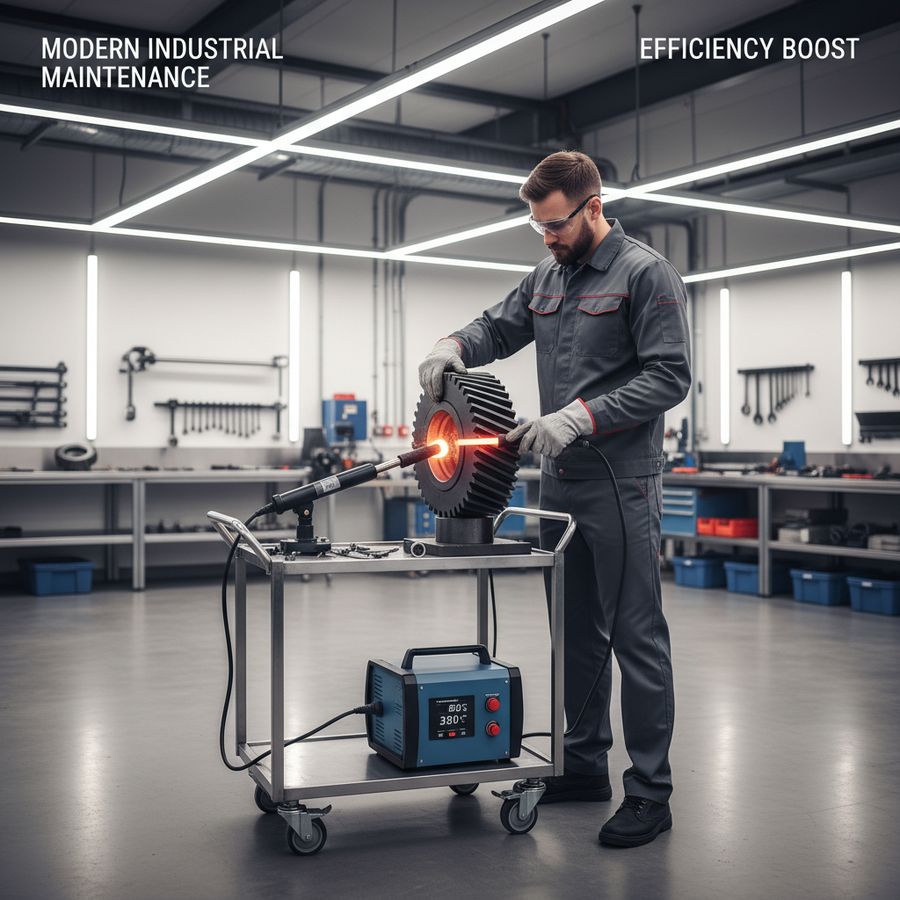
Regular inspection routines
Regular inspections form the cornerstone of effective induction heater maintenance. Conducting systematic checks helps identify early signs of wear, damage, or malfunction before they escalate into critical issues. Establishing a clear inspection routine tailored to your specific model and usage frequency will significantly prolong heater life and boost safety.
Begin with a thorough visual examination of the entire unit and its accessories. Look for any visible signs of damage such as cracks, corrosion, loose connections, or frayed cables. Pay particular attention to the power cord and connectors, as these are often subject to the most stress and wear. Ensuring that all plugs fit securely and show no discoloration or burn marks is vital for safe operation.
Next, inspect the cooling system if your induction heater is equipped with one. Efficient cooling prevents overheating, which can degrade internal components. Check coolant levels, hoses, and fans for blockages or leaks. If your model features an integrated cooler like the NIX3, ensure it is functioning optimally to avoid premature equipment failure.
It is also important to test the heater’s controls and safety features regularly. Verify that temperature settings, timers, and emergency shut-offs are working correctly. Faulty controls can lead to overheating or inefficient heating cycles, which jeopardize both the equipment and operator safety.
Documenting each inspection with detailed notes and photos can help track trends over time, making it easier to anticipate maintenance needs and budget for replacements. Establishing a checklist that includes these key points will standardize the process and ensure no critical aspect is overlooked.
"Consistent and detailed inspections are your best defense against unexpected equipment downtime and costly repairs."
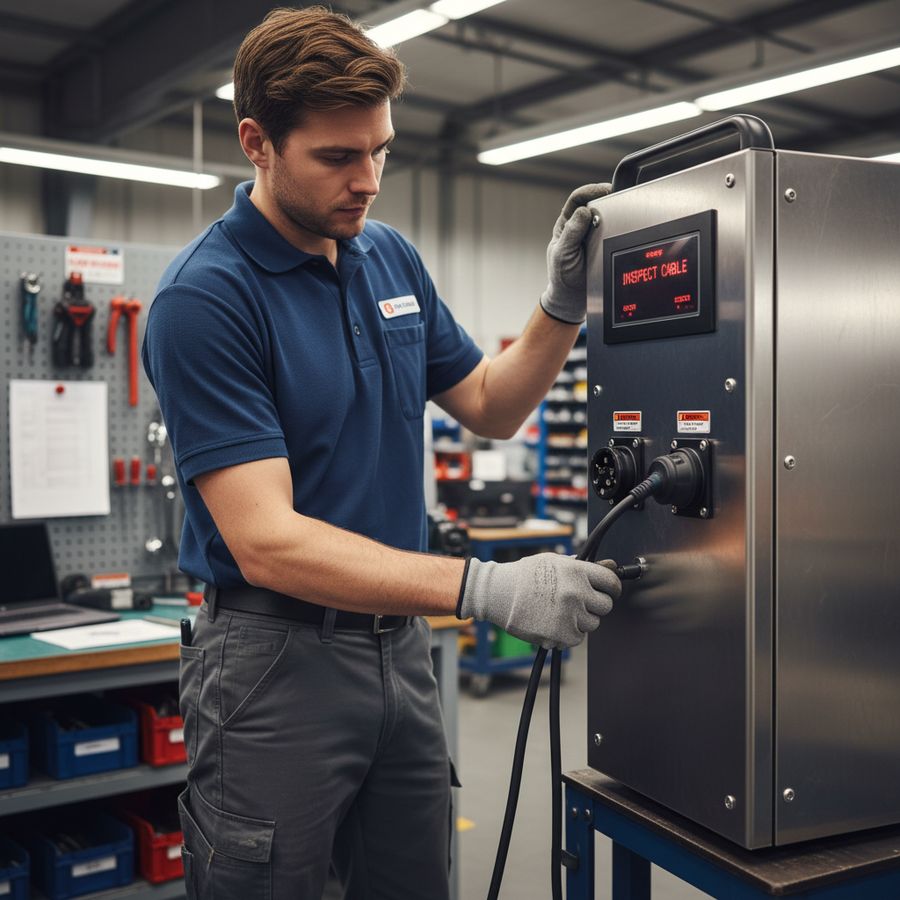
Cleaning best practices
Proper and regular cleaning is an essential part of cleaning induction heaters to maintain their efficiency and longevity. Dust, dirt, and metal particles can accumulate on the surface and inside the unit, obstructing airflow and impairing electrical components. This buildup can cause overheating, poor performance, and ultimately reduce the life of your induction heater.
Before cleaning, always ensure the heater is powered off and unplugged. Allow the unit to cool completely to avoid injury or damage. Use soft, lint-free cloths or compressed air to gently remove dust and debris from vents, fans, and external surfaces. Avoid using harsh chemicals or abrasive materials that could degrade the protective coatings or insulation.
For internal cleaning, it is advisable to consult the manufacturer's manual or seek professional service, as improper disassembly can void warranties or damage sensitive components. However, routine external cleaning can be performed by operators to maintain optimal equipment condition.
Additionally, frequently clean the heating tips and coils to prevent residue buildup that can affect heating efficiency. Inspect these parts for signs of wear or deformation, which can indicate the need for replacement or adjustment. Maintaining clean and intact heating elements ensures consistent heat transfer and reduces energy consumption.
-
Use a soft brush or compressed air for vents and cooling fans.
-
Wipe surfaces with a damp cloth and mild detergent if necessary.
-
Never immerse the heater or use water directly on electrical parts.
-
Regularly clean or replace filters if your model includes them.
"Routine cleaning is a simple yet powerful way to safeguard your investment and ensure continuous high performance."
Handling and storage
Proper handling and storage play a significant role in protecting your induction heater from mechanical damage and environmental hazards. Given their specialized nature and often delicate internal components, induction heaters must be treated with care both during use and when not in operation.
When handling your induction heater, always use the recommended carrying methods. Avoid dropping or striking the unit, as shocks can misalign internal parts or damage electronic circuits. Portable models, though designed for mobility, still require cautious handling to prevent cable strain or connector damage.
During operation, ensure the heater is placed on a stable, level surface away from flammable materials and excessive moisture. Avoid exposing the unit to extreme temperatures or direct sunlight for prolonged periods, as this can degrade seals and electronic components.
For storage, keep the induction heater in a clean, dry environment with controlled temperature and humidity. Use protective covers or cases if available to shield the equipment from dust and accidental impacts. Coil cables loosely without sharp bends to prevent internal wire breakage.
Proper storage between uses extends the functional life of your equipment and ensures it is ready for deployment whenever needed, minimizing delays in maintenance or production processes.
"Safe handling and thoughtful storage are vital practices that prevent premature equipment failure and costly downtime."
Troubleshooting common problems
Even with diligent maintenance, occasional issues may arise. Knowing how to perform basic troubleshooting can help resolve minor problems quickly and avoid downtime. Here are some common induction heater problems and practical solutions:
-
Heater fails to power on: Check the power supply, fuse, and power cord for faults. Confirm that the emergency stop or safety interlocks are disengaged.
-
Inconsistent heating or low output: Inspect heating coils and tips for damage or residue buildup. Ensure correct settings are applied and the target metal is suitable for induction heating.
-
Overheating or automatic shutdown: Verify cooling system functionality, including fans and coolant levels. Ensure vents are clear of obstructions and ambient temperature is within operational limits.
-
Unusual noises or vibrations: Examine for loose parts or damaged fans. Tighten screws and replace worn components as necessary.
If problems persist after these checks, consult the manufacturer's service support or a qualified technician. Attempting complex repairs without proper expertise may worsen the issue or void warranties.
"Effective troubleshooting empowers users to maintain productivity and extend equipment service life."
When to replace parts
Knowing when to replace worn or damaged parts is a crucial aspect of induction heater maintenance. Timely replacement prevents minor faults from escalating into major failures, ensuring continued safe and efficient operation.
Common parts subject to wear include heating tips, coils, power cables, connectors, and cooling system components. Signs indicating replacement needs include visible cracks, corrosion, discoloration, reduced heating performance, and unusual noises.
Heating tips, for example, endure high thermal stress and should be inspected frequently. A compromised tip can lead to uneven heating and increased energy consumption. Similarly, damaged power cables or connectors pose safety risks and must be replaced immediately.
Cooling fans and coolant hoses also require periodic evaluation. Any leakage, blockage, or reduced airflow necessitates prompt service or replacement to avoid overheating.
Always use genuine replacement parts recommended by the manufacturer to ensure compatibility and maintain warranty coverage. Keep a stock of critical spare parts to minimize downtime during repairs.
"Regularly replacing worn components is an investment that safeguards your induction heater’s longevity and operational safety."
Conclusion
Proper induction heater maintenance is indispensable for maximizing your equipment’s lifespan and performance. By adopting a disciplined routine of inspections, cleaning, careful handling, prompt troubleshooting, and timely part replacements, you can significantly prolong heater life and reduce operational risks.
These maintenance practices not only safeguard your investment but also enhance safer and more efficient workflows. Induction heaters provide a clean, energy-efficient alternative to traditional heating methods. With proper care, they will consistently yield excellent results in heavy maintenance and industrial applications. To learn more about these innovative tools, visit Induktion Store.
Remember, a well-maintained induction heater reduces downtime, lowers repair costs, and ensures you get the most out of your equipment. Embrace these guidelines as part of your standard operating procedures to enjoy reliable and trouble-free heating solutions for years to come.
"Maintenance is not an expense but a critical strategy to protect your equipment and enhance productivity."


