

Overview
Induction heating vs oxy-acetylene torch represents two prevalent methods used in auto repair for loosening rusted or tight metal fasteners. Both techniques aim to apply heat to metal parts such as nuts, bolts, and axles, but they operate on fundamentally different principles. The oxy-acetylene torch uses an open flame fueled by gas, delivering intense, direct heat. In contrast, induction heating applies a contactless electromagnetic field to generate heat within the metal itself, offering a flameless alternative.
In the context of auto repair heating, these methods influence safety, speed, precision, and environmental impact. Induction heating has gained traction due to its clean, efficient operation without gas consumption or open flames, making it a modern solution to traditional torch heating. Understanding the differences helps repair professionals choose the optimal approach for different repair scenarios.
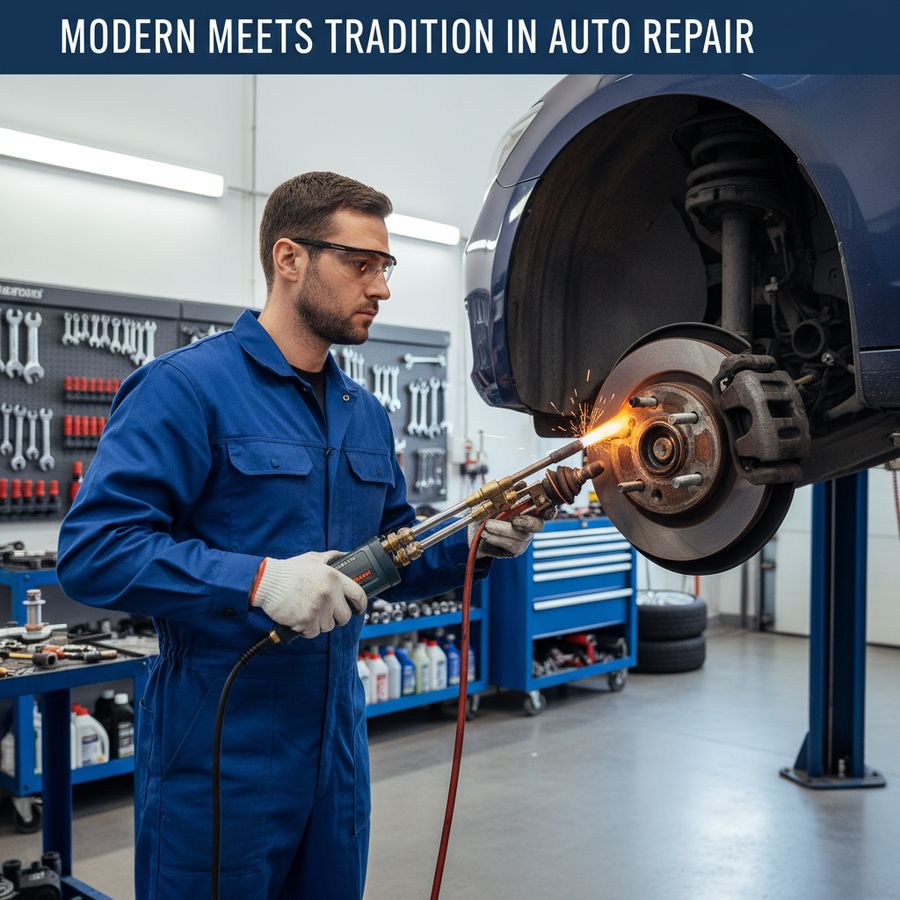
Heat control and precision on metal fasteners
One of the standout advantages of induction heating is its superior heat control and precision. The technology targets metal fasteners directly, generating heat internally and evenly without affecting surrounding materials. This precision minimizes the risk of overheating adjacent components, which is a common challenge when using an oxy-acetylene torch.
With a torch, heat spreads outward from the flame, often requiring skilled operation to avoid damage. Induction heating units allow technicians to adjust power and heating time accurately, offering consistent results. This capability is particularly beneficial in delicate auto repair tasks where controlled heat is critical to avoid warping or weakening parts.
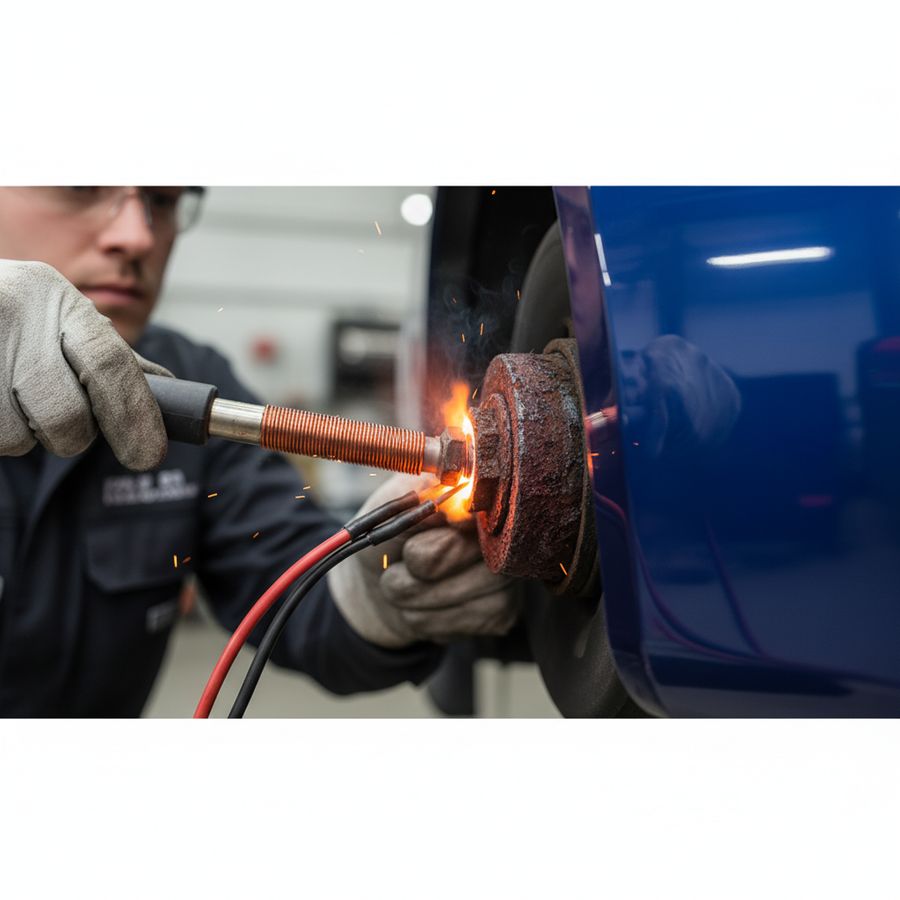
Fire risk: open flame vs flameless heating
Safety comparison is a key factor in choosing between induction heating and oxy-acetylene torch methods. Open flames inherently carry a fire risk, especially in auto repair environments cluttered with flammable materials like paint, rubber, and wiring. The torch’s flame can ignite unintended objects, demanding constant vigilance.
Induction heating, being a flameless heating method, drastically reduces this hazard. It generates heat only within the metal fastener without an external flame, enhancing workplace safety and lowering insurance costs. This safer profile makes induction heating a preferred choice in many modern shops focused on risk mitigation.
“No gas + No flames = Lower risk - Reduced insurance costs.”
Speed comparison on rusted nuts and bolts
When it comes to speed, both methods have their merits depending on the conditions. An oxy-acetylene torch can rapidly heat exposed fasteners, but the user must carefully manage flame application to avoid damage. In contrast, induction heating heats metal fasteners quickly and uniformly, often releasing rusted nuts and bolts in seconds without the need for prolonged flame exposure.
This rapid, precise heating reduces downtime and increases productivity, especially for repetitive tasks. Additionally, induction heating avoids the cool-down wait required after torch use, enabling faster transitions between jobs.
Impact on paint, Rubber boots, Wiring
The use of an oxy-acetylene torch in auto repair can inadvertently damage sensitive components. The open flame often causes paint to blister or peel, rubber boots to melt, and wiring insulation to burn, leading to costly repairs and downtime.
In contrast, induction heating’s focused electromagnetic energy heats only the metal fastener, leaving nearby paint, rubber, and wiring intact. This non-contact, controlled application preserves vehicle aesthetics and component integrity, making it a much gentler heating solution.
Cost breakdown: energy, Gas, Consumables
From a cost perspective, induction heating and oxy-acetylene torches differ significantly. Torches require continuous consumption of gas (oxy-acetylene), along with maintenance of hoses and regulators, contributing to recurring costs. Consumables also include replacement tips and safety equipment.
Induction heating units, while representing a higher initial investment, operate on electricity and do not require gas or flame-related consumables. Their durable components often deliver longer lifespans, reducing maintenance expenses over time. Additionally, the elimination of gas usage cuts operational costs and environmental impact, aligning with sustainable repair practices.
When a torch still makes sense
Despite the benefits of induction heating, the oxy-acetylene torch remains relevant in certain contexts. For instance, in remote locations without reliable electrical supply, torches provide a portable, self-contained heating solution. They are also preferred for tasks requiring extreme localized heat beyond induction capabilities, such as brazing or cutting metal parts.
Moreover, some technicians favor the torch for its simplicity and familiarity in traditional repair workflows. However, safety precautions must always be prioritized when using open flames.
Conclusion
Choosing between induction heating vs torch in auto repair involves considerations such as safety, precision, speed, and cost. Induction heating presents a modern, safe, flameless option with superior heat control, reduced risk to nearby materials, and long-term savings. On the other hand, the oxy-acetylene torch is versatile and portable, but it carries higher fire risks and can potentially damage sensitive components. For more information on making the best choice for your needs, check out Induktion Store.
For repair shops focused on efficiency and safety, adopting induction heating technology can revolutionize their workflow and reduce operational hazards. Ultimately, understanding each method’s strengths ensures the right tool is used for each job, improving outcomes in auto repair heating applications.


