
Reducing workplace risks with flame-free heating solutions
by Mikael Rosvall on Nov 30, 2025

Overview
Flame-free heating solutions are rapidly transforming the way workplaces approach heating tasks, particularly in environments where safety and efficiency are paramount. Traditional heating methods involving open flames pose significant risks, including fire hazards, burns, and increased insurance liabilities. With the advent of advanced technologies such as induction heating, businesses now have access to safer, cleaner, and more eco-friendly heating options that align perfectly with modern workplace safety standards.
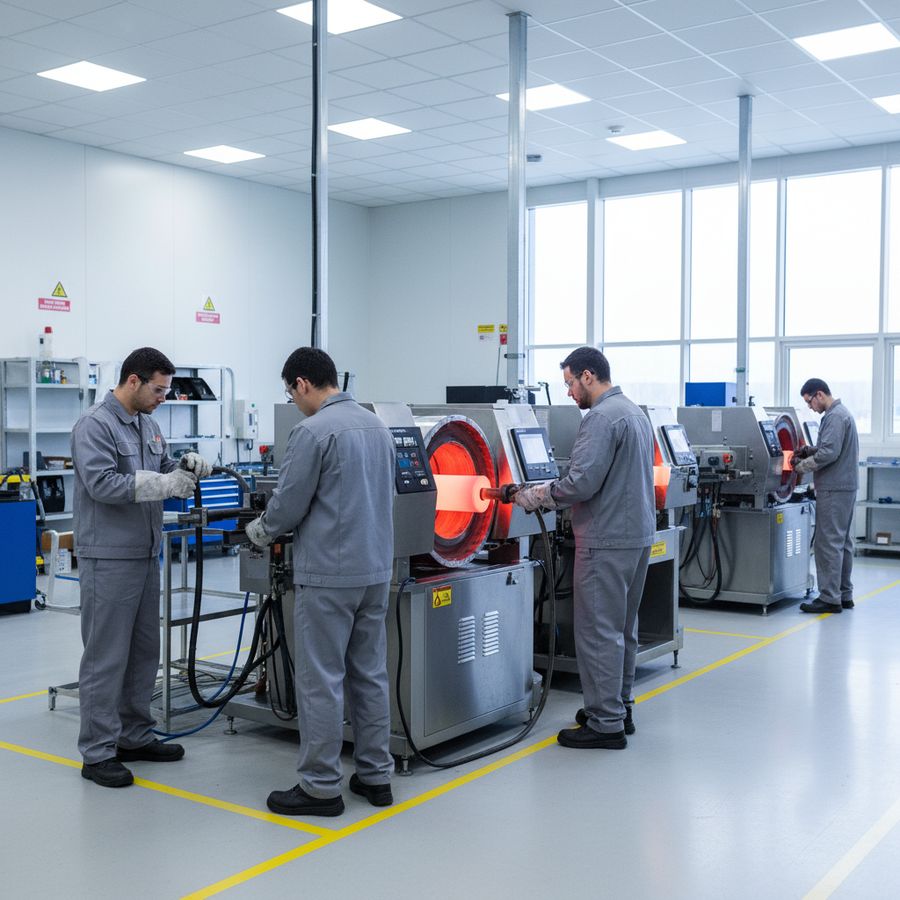
Induction heating operates on the principle of electromagnetic induction to heat metal objects directly without any direct flame or combustion process. This contactless method ensures rapid and precise heating, ideal for tasks such as releasing mechanical joints, heat alignment, and pre- or post-welding processes in manufacturing and repair shops. By eliminating open flames, flame-free heating significantly reduces the risk of workplace accidents, contributing to a safer environment for employees.
Workplace safety is a top priority for any industrial or automotive repair setting. Flame-free heating technologies not only minimize fire hazards but also improve operational efficiency and reduce downtime. Moreover, these systems are environmentally sustainable, producing zero carbon emissions during operation and thus supporting businesses' green initiatives.
"Upgrade to a safer, cleaner, and more efficient heating solution. Ditch open flames, reduce CO₂ emissions, and enhance workplace safety—all while cutting operational costs."
In summary, adopting flame-free heating solutions such as induction heating represents a forward-thinking approach that enhances safety, protects employees, reduces insurance costs, and contributes positively to environmental sustainability.
Risks of open flame heating
Open flame heating, traditionally used in various industrial and repair applications, carries inherent risks that can jeopardize workplace safety and increase operational costs. The presence of an exposed flame introduces potential hazards such as accidental fires, burns, and explosions, especially in environments containing flammable materials or gases.
One of the primary dangers of open flame heating is the increased probability of uncontrolled fires, which can cause extensive property damage and pose serious threats to employee wellbeing. Burns from direct contact with flames or hot surfaces are common workplace injuries that can lead to lost productivity and costly medical expenses.
Additionally, open flame methods often produce harmful emissions, contributing to poor indoor air quality and environmental pollution. These emissions may violate workplace health regulations and create an unsafe atmosphere that affects employee health over time.
From an operational standpoint, flame-based heating can also be inefficient and imprecise. The heat distribution is often uneven, requiring longer heating times and increasing the risk of overheating or damaging sensitive components. This inefficiency can result in longer repair times and higher energy consumption.
-
Fire hazards due to uncontrolled flames
-
Increased risk of employee burns and injuries
-
Emission of toxic gases affecting air quality
-
Potential for equipment damage from uneven heat
-
Higher insurance premiums due to elevated risk
Given these risks, many modern workplaces are transitioning to safer alternatives like flame-free heating solutions that mitigate these dangers while enhancing productivity and compliance with safety standards.
How induction heating mitigates risks
Induction heating offers a revolutionary flame-free alternative that effectively addresses the safety and efficiency challenges posed by traditional open flame methods. By generating heat through electromagnetic fields, induction heating directly heats metal components without any direct contact or combustion, eliminating the presence of open flames entirely.
This technology drastically reduces the likelihood of fires and burns, creating a safer environment for employees working in maintenance, manufacturing, or automotive repair settings. The precise and rapid heating capability of induction systems ensures that only the target metal is heated, minimizing the risk of damage to surrounding materials or equipment.
Moreover, induction heating is inherently eco-friendly, as it does not rely on gas or other combustible fuels, thereby producing zero emissions during operation. This contributes to a cleaner working environment and supports organizational sustainability goals. The equipment itself is designed to be durable and reliable, providing consistent performance even in rugged industrial conditions.
"Induction heating is a contactless method that can be used to heat metals safely, making it ideal for releasing mechanical joints and heating welded parts without the hazards of open flames."
With lower operational risks, workplaces can benefit from reduced downtime and fewer accidents. The technology also offers versatility, as induction heaters can be used on various metals and applications, further enhancing their value as a comprehensive flame-free heating solution.
Insurance benefits
Switching to flame-free heating solutions such as induction heating has a notable impact on insurance premiums and overall risk management. Insurance providers recognize the reduced hazards associated with eliminating open flames, which translates into lower risk profiles for businesses using such technology.
Lower risk of fire-related incidents directly correlates with fewer insurance claims and less exposure to costly liabilities. Consequently, companies can negotiate better rates on their insurance policies, reflecting their commitment to workplace safety and risk reduction.
Many insurers offer incentives or discounts to companies that implement advanced safety technologies, including flame-free heating. These savings can accumulate significantly over time, offsetting the initial investment in induction heating equipment. Additionally, reduced insurance costs improve the overall cost-effectiveness of operations.
-
Decreased fire and accident risk reduces insurance claims
-
Potential for lower premiums and better policy terms
-
Enhanced compliance with safety regulations supports insurer confidence
-
Long-term savings offset upfront equipment costs
Adopting induction heating not only protects employees and assets but also strengthens a company’s financial health through insurance savings. This holistic benefit reinforces the value of investing in flame-free heating technologies to safeguard both people and profits.
Employee safety
Ensuring employee safety is a fundamental responsibility for any workplace, especially in industrial and repair environments where heating tasks are common. Flame-free heating solutions like induction heating drastically reduce the risks that employees face when working with heat sources.
Traditional open flame methods expose workers to burns, accidental fires, and toxic fumes, all of which can cause serious injuries and long-term health issues. By eliminating open flames, induction heating minimizes these hazards, creating a safer and more comfortable work environment.
In addition to the obvious reduction in fire and burn risks, induction heating improves safety through its precise temperature control and rapid heating capabilities. This reduces exposure time to heat, further protecting employees from potential harm. The contactless nature of induction heating means that workers do not need to handle hot tools or materials directly, enhancing ergonomics and reducing fatigue.
"Induction heating contributes to a better working environment for your staff — no gas, safer processes, and reduced exposure to harmful emissions."
By investing in flame-free heating, companies demonstrate a strong commitment to employee wellbeing, which can boost morale, lower absenteeism, and increase productivity. Ultimately, safer workplaces lead to happier, healthier employees and a more resilient business.
Environmental impact
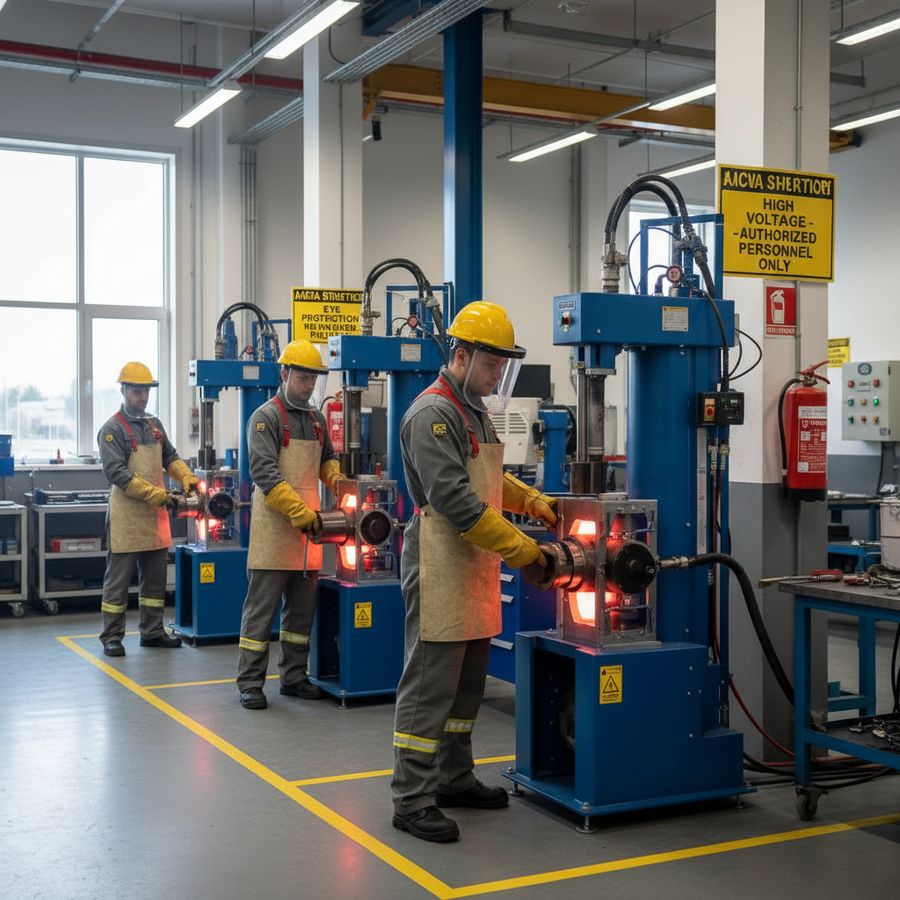
One of the most compelling advantages of flame-free heating solutions is their positive environmental impact. Induction heating is a 100% carbon-neutral process that operates without the need for gas or other fossil fuels, effectively eliminating CO₂ emissions associated with traditional heating methods.
Reducing carbon footprint is a critical objective for modern businesses aiming to comply with environmental regulations and meet corporate sustainability goals. By adopting eco-friendly heating solutions, companies contribute to cleaner air quality and help combat climate change.
Furthermore, induction heating devices are designed for energy efficiency, converting most of the electrical energy directly into heat with minimal losses. This leads to lower energy consumption and reduced operational costs, aligning environmental responsibility with economic benefits.
-
Zero gas consumption eliminates greenhouse gas emissions
-
Energy-efficient heating reduces electricity usage
-
Cleaner indoor air improves occupational health
-
Supports corporate sustainability and green certifications
Choosing flame-free, eco-friendly heating is not only a smart safety decision but also a proactive environmental strategy. It positions businesses as leaders in sustainability while contributing to a healthier planet for future generations.
Conclusion
Flame-free heating solutions such as induction heating represent a significant advancement in workplace safety, operational efficiency, insurance cost reduction, employee wellbeing, and environmental stewardship. By eliminating open flames, organizations substantially lower the risk of fires, burns, and toxic emissions, fostering a safer and more productive work environment.
The advantages go beyond just safety, offering significant savings on insurance premiums and energy expenses, as well as a substantial decrease in carbon footprint. These solutions are particularly beneficial in heavy maintenance, manufacturing, and automotive repair environments, where heating metals safely and efficiently is essential. Explore more at Induktion Store.
"Make the switch today toward a greener and more productive future by adopting induction heating and enhancing workplace safety with flame-free technology."
Ultimately, investing in flame-free heating is a forward-thinking choice that safeguards employees, protects assets, and supports sustainable business growth. It is a smart, eco-friendly solution that meets the needs of modern industries committed to excellence and safety.


