

Overview
Induction heaters have revolutionized the way car repair professionals approach heating tasks in automotive maintenance and repair. Unlike traditional heating methods that rely on open flames or direct contact, induction heating uses electromagnetic fields to generate heat within metal components. This technology offers a safer, faster, and more efficient solution for releasing stuck bolts, nuts, and other mechanical joints commonly encountered in car repair.
In the realm of car repair tools, induction heaters stand out by providing precise and controlled heating. They eliminate the risks associated with open flames that can cause fires or damage to sensitive parts like paint and rubber seals. The contactless nature of induction heating ensures that only the targeted metal parts are heated, preserving the surrounding components’ integrity.
This technology is widely used in automotive workshops for tasks such as loosening seized bolts, heating axles for alignment, and preheating or postheating welded parts. Its growing popularity is attributed to its ability to dramatically improve repair safety and productivity while reducing operational costs.
Key benefits of induction heaters in car repair include:
-
Faster heating times compared to traditional methods
-
Increased safety by eliminating open flames
-
Energy efficiency and environmental friendliness
-
Reduced wear and tear on tools and parts
-
Cost savings in workshop operations
As the automotive industry continues to advance, incorporating induction heaters into daily repair workflows is becoming a smart investment for workshops aiming to enhance efficiency and safety. This article explores in detail the various advantages of using induction heaters for car repair and how they contribute to better operational outcomes.
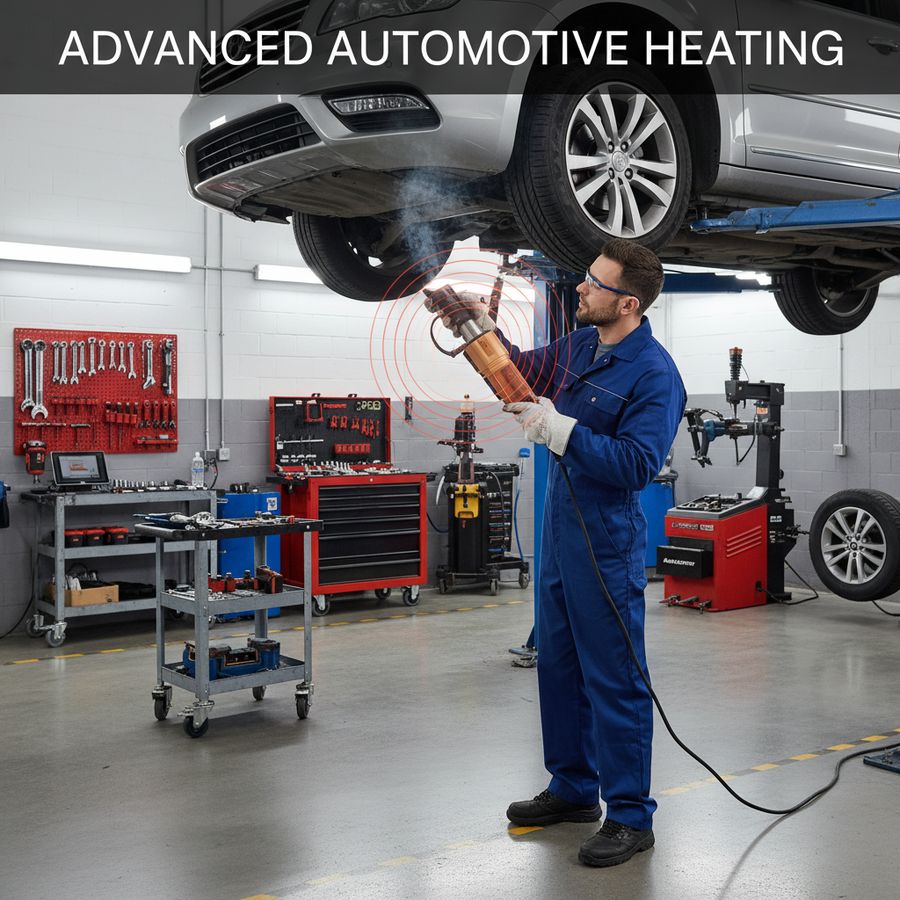
How induction heaters improve car repair safety
Safety is paramount in any automotive repair environment, and the use of induction heaters significantly enhances repair safety compared to traditional heating methods. Conventional techniques often involve open flames, torches, or heat guns, which pose risks such as accidental fires, burns, and damage to nearby components.
Induction heaters car repair tools offer a safer alternative by employing electromagnetic fields to heat metal parts without direct contact or flames. This contactless heating method minimizes fire hazards and reduces the risk of operator injury. Additionally, induction heating does not produce harmful gases or fumes, contributing to a healthier workplace environment.
Another safety advantage is the precise control over heating zones. Induction heaters focus energy directly on the metal component needing heat, preventing overheating of surrounding materials such as plastic, rubber, or paint. This precision reduces the likelihood of accidental damage, which can lead to costly repairs or safety issues later on.
"By eliminating open flames and offering controlled heating, induction heaters help automotive workshops significantly reduce workplace accidents and improve overall repair safety."
Moreover, induction heaters are designed with built-in safety features such as automatic shutoff, temperature monitoring, and cooling systems that prevent overheating of the tool itself. These features protect both the user and the equipment, making induction heating a reliable and safe choice for automotive technicians.
In summary, induction heaters enhance repair safety by:
-
Eliminating open flames and reducing fire risks
-
Providing precise, localized heating to avoid collateral damage
-
Reducing operator exposure to burns and harmful fumes
-
Incorporating safety features like automatic shutoff and cooling
By integrating induction heating into their toolset, workshops can foster a safer and more productive working environment.
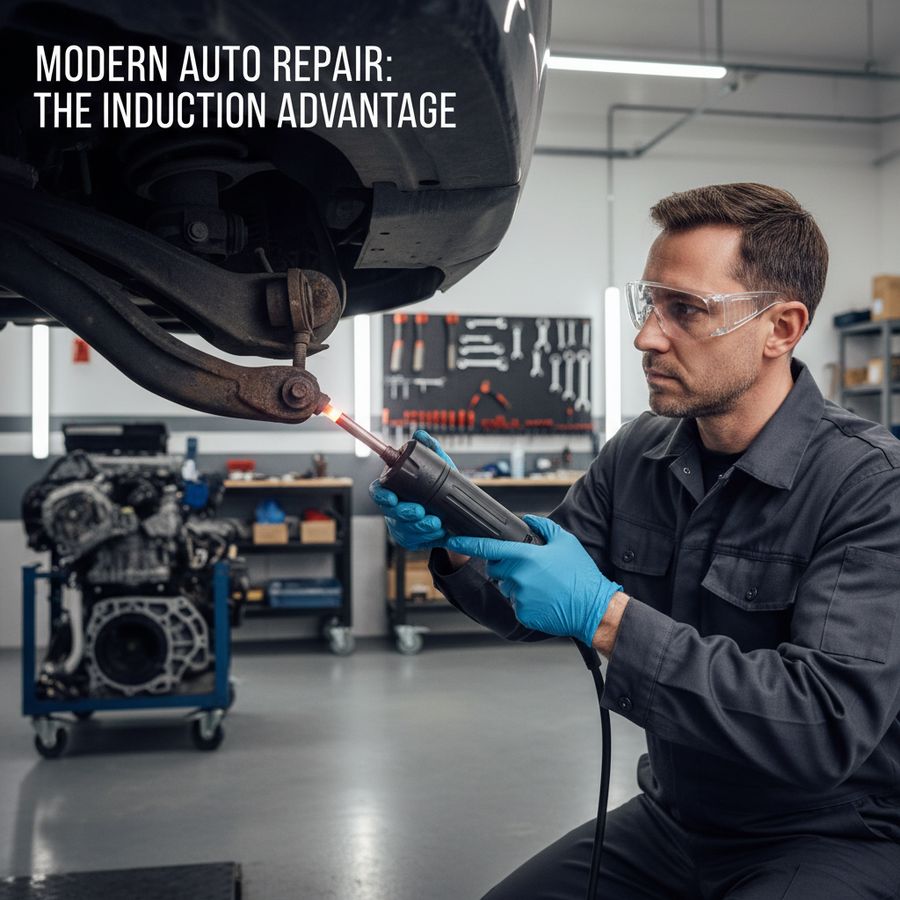
Reducing repair time with induction heating
Time efficiency is critical in automotive repair, and induction heating technology plays a vital role in accelerating repair processes. Traditional heating methods such as using torches or heat guns often require longer heating periods and can be imprecise, leading to extended repair times.
Induction heaters car repair tools provide rapid, targeted heating that significantly reduces the time needed to loosen seized bolts, nuts, and other mechanical joints. The electromagnetic induction process quickly generates heat inside the metal component itself, rather than relying on heat conduction from an external source. This results in faster thermal expansion and loosening of parts.
In addition to speed, induction heaters offer consistent and repeatable heating performance, which means technicians can rely on predictable results without the need for trial and error. This reliability translates to quicker turnaround times and higher throughput in busy automotive workshops.
"Induction heating streamlines repair workflows by cutting down on heating time, allowing technicians to complete jobs faster while maintaining high safety standards."
Furthermore, induction heaters reduce the need for disassembling multiple components to access stubborn joints. Their precise heating capability means that only the affected parts are heated, enabling quicker and less invasive repairs.
Key ways induction heating reduces repair time include:
-
Rapid heat generation within metal parts
-
Minimized waiting for parts to reach temperature
-
Less need for disassembly and reassembly
-
Consistent, controlled heating for predictable results
By adopting induction heating technology, automotive repair professionals can optimize workflow efficiency, reduce vehicle downtime, and improve customer satisfaction.
Environmental benefits of induction heating
Beyond improving safety and efficiency, induction heaters also offer significant environmental benefits that align with the growing demand for sustainable automotive repair practices. Unlike traditional heating methods that often rely on gas or fuel combustion, induction heating is a 100% carbon-neutral process that requires no gas, producing zero direct CO₂ emissions.
This eco-friendly aspect contributes to a cleaner workshop environment by reducing greenhouse gases and eliminating harmful fumes commonly generated by open flames or fuel-based heaters. Additionally, the absence of combustion residues helps maintain better air quality for automotive technicians, supporting their health and well-being.
Induction heating technology is also energy efficient. It converts electrical energy directly into heat within the metal component with minimal energy loss, which reduces overall energy consumption compared to conventional heating methods. This efficiency translates to lower utility costs and a smaller carbon footprint for workshops.
"Switching to induction heaters not only enhances repair safety and speed but also supports environmental responsibility by eliminating gas use and reducing energy waste."
Furthermore, the precise heating control minimizes waste heat and prevents overheating of surrounding materials, reducing the need for additional repairs or replacements caused by thermal damage.
Environmental benefits of induction heating include:
-
Zero direct CO₂ emissions – a carbon-neutral heating process
-
Improved air quality by eliminating harmful combustion fumes
-
Energy-efficient heating with minimal energy loss
-
Reduction in thermal damage waste and material replacements
Incorporating induction heating into automotive heating practices supports workshops in achieving greener, safer, and more sustainable operations.
Cost savings in auto workshops
One of the most compelling reasons for adopting induction heaters in car repair is the substantial cost savings they offer over time. Although the initial investment in induction heating equipment may be higher than traditional tools, the long-term financial benefits quickly outweigh the upfront costs.
By significantly reducing repair time, induction heaters increase workshop productivity, allowing technicians to complete more jobs in less time. This efficiency means higher revenue potential and better utilization of labor resources.
Induction heaters also reduce the risk of damage to vehicle components, which lowers the expenses associated with replacing parts or correcting accidental damage caused by open flames or excessive heat. This reduction in collateral damage protects both parts inventory and customer satisfaction.
"Lower insurance premiums are another financial advantage, as induction heaters’ safer operation reduces fire and accident risks in auto workshops."
Moreover, induction heaters incur lower operational costs due to their energy efficiency and elimination of gas or fuel expenses. Workshops save money on utilities and avoid the recurring costs of fuel-based heating methods.
Additional cost-saving benefits include:
-
Longer tool lifespan due to robust industrial design
-
Reduced insurance premiums from safer working conditions
-
Lower maintenance and replacement costs for heating tools
-
Minimal downtime from faster, precise heating
By integrating induction heaters into their daily operations, auto workshops can achieve significant cost saving while enhancing overall repair quality and safety.
Maintenance tips for induction heaters
Proper maintenance of induction heaters is essential to ensure their long-lasting performance and reliability in demanding automotive repair environments. These tools are built with durable components designed to withstand rough workshop conditions, but regular care will maximize their lifespan and efficiency.
Key maintenance tips for induction heaters include routine inspection of electrical connections and cables to detect any wear or damage early. Keeping the induction coil and heating tips clean and free of debris ensures optimal heating efficiency and prevents overheating.
It is also important to monitor the cooling system, especially for portable units equipped with integrated coolers. Regularly check coolant levels or air ventilation to avoid overheating, which can lead to tool failure or safety hazards.
"Adhering to manufacturer-recommended maintenance schedules and promptly addressing any issues can extend the life of induction heaters by years."
Technicians should also store induction heaters in a dry, dust-free environment when not in use to prevent corrosion and mechanical damage. Following these simple but effective maintenance practices helps sustain the high performance needed for efficient automotive heating tasks.
Maintenance checklist for induction heaters:
-
Inspect cables and connectors regularly for signs of wear
-
Clean coils and heating tips after every use
-
Check and maintain cooling system components
-
Store equipment properly to avoid environmental damage
-
Follow manufacturer’s guidelines for periodic servicing
By investing time in proper maintenance, automotive professionals ensure their induction heaters remain reliable, safe, and cost-effective tools for car repair.
Conclusion
Induction heaters have become indispensable car repair tools for modern automotive workshops seeking safer, faster, and more environmentally friendly heating solutions. By leveraging precise electromagnetic heating technology, these tools improve repair safety by eliminating open flames and reducing injury risks.
They also significantly cut down repair times through rapid and targeted heating, allowing technicians to work more efficiently and increase throughput. Environmentally, induction heaters contribute by being carbon neutral and energy efficient, aligning with sustainable workshop practices.
From a financial perspective, induction heaters provide significant cost savings through reduced energy consumption, lower insurance premiums, and minimized damage to vehicle components. Their durable design and easy maintenance ensure long-term operational reliability. To explore more about how induction heaters can benefit you, check out this link.
"Switching to induction heating technology empowers automotive repair professionals to enhance safety, productivity, and environmental responsibility all at once."
For auto workshops aiming to stay competitive and future-ready, investing in induction heaters is a strategic move that delivers measurable benefits in both performance and cost-efficiency. Embracing this innovative technology is a step toward a cleaner, safer, and more productive automotive repair industry.


