
Safety protocols when using induction heaters in workshops
by Mikael Rosvall on Feb 10, 2026

Overview
Induction heater safety is a paramount concern in any workshop environment where these advanced heating tools are utilized. Induction heaters offer a modern, efficient alternative to traditional open-flame or gas-based heating methods, providing a safer, cleaner way to heat metals such as bolts, axles, and welded parts. Their contactless induction heating technology reduces the risk of fire hazards and toxic emissions, making them an excellent choice for industrial and automotive workshops.
Despite their advantages, induction heaters still require strict adherence to workshop safety protocols to prevent accidents and ensure optimal performance. Understanding the principles of how induction heaters operate—using electromagnetic fields to generate heat within metallic components—allows operators to appreciate both the safety benefits and the potential risks involved.
Workshops that adopt induction heaters typically see improvements not only in safety but also in operational efficiency. The elimination of open flames reduces fire risks and lowers insurance costs. Additionally, induction heaters contribute to a more environmentally friendly workspace, as they produce no CO₂ emissions and avoid the hazards associated with gas cylinders or combustible fuels.
"Switching to induction heating solutions represents a significant leap toward safer, cleaner, and more efficient workshop operations."
In summary, induction heaters are revolutionizing metal heating tasks in workshops by combining speed, precision, and enhanced safety. However, to fully capitalize on these benefits, workshop operators must implement comprehensive safety measures and protocols tailored to the unique characteristics of induction heating technology.
Common safety hazards with heating tools
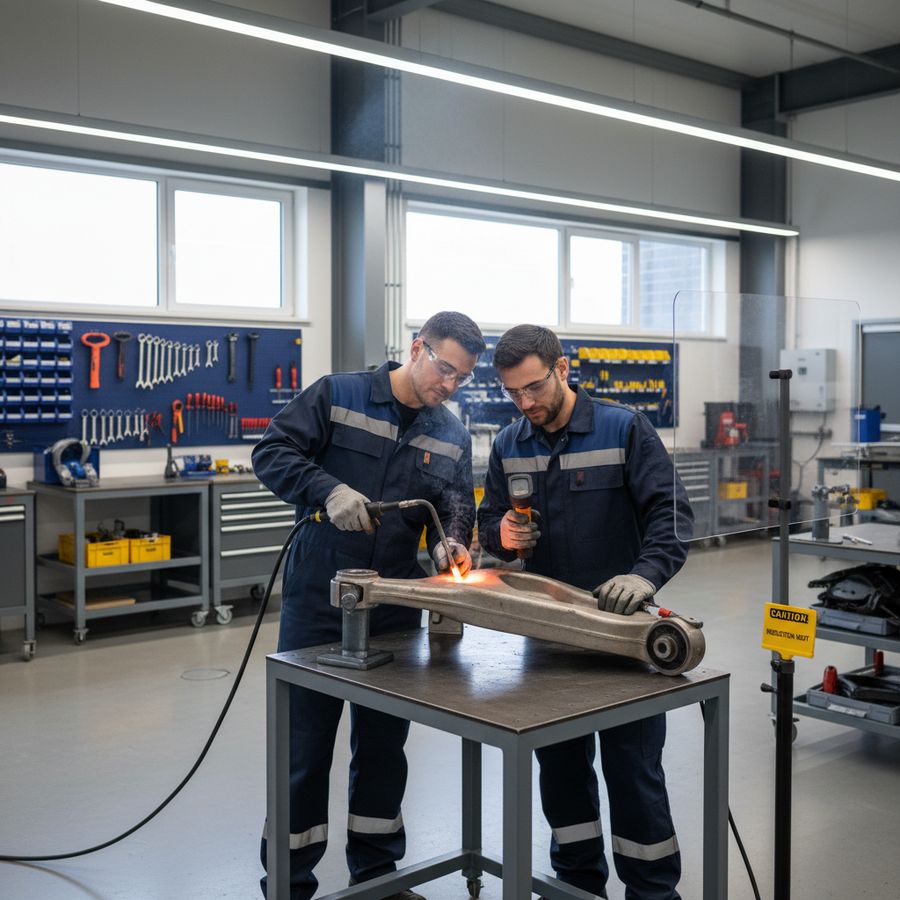
While induction heaters are inherently safer than traditional heating tools, several common safety hazards remain prevalent if proper precautions are not observed. Recognizing these hazards is the first step in mitigating risks and ensuring a safe heating operation.
One of the primary hazards is the risk of burns. Induction heaters generate intense localized heat rapidly, which can cause severe skin burns if operators come into direct contact with heated parts or the induction coil. Additionally, heated metal components can retain heat long after the device is turned off, posing a residual burn danger.
Another hazard is electrical shock, as induction heaters operate on high-power electrical systems. Faulty wiring, damaged cables, or improper grounding can expose users to electric shock risks. It is crucial that all equipment is regularly inspected and maintained to prevent electrical faults.
Fire hazards, although significantly reduced compared to open flames, are still a concern. Sparks or hot metal fragments can ignite flammable materials nearby. Workshops that use induction heaters must ensure that the working area is free from combustible substances.
Other hazards include:
-
Eye damage: Exposure to intense electromagnetic fields and heat can cause eye strain or injury without proper eye protection.
-
Inhalation risks: Heating certain metals or coatings may release harmful fumes; adequate ventilation is essential.
-
Ergonomic risks: Improper handling of induction heaters can lead to repetitive strain injuries or accidents caused by dropping heavy equipment.
"Awareness of potential hazards is crucial to effectively implement workshop safety protocols and prevent injuries when using heating tools."
By understanding these hazards, workshops can develop targeted safety strategies to address and minimize risks related to induction heating operations.
Safe operating procedures
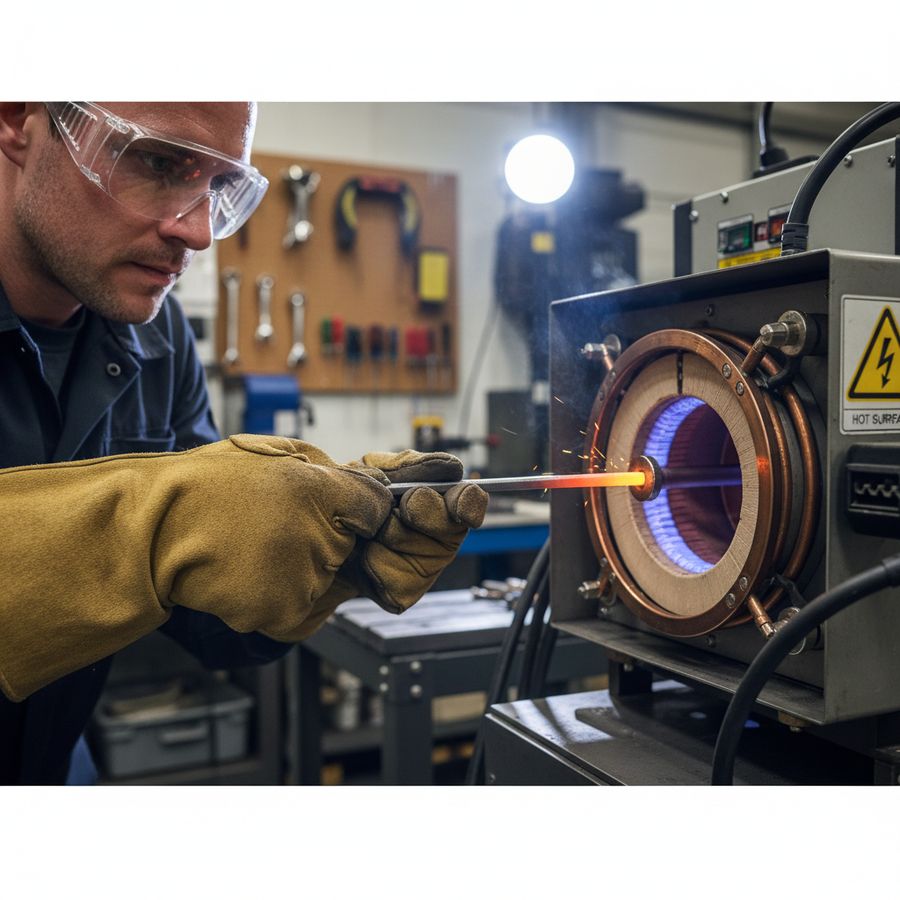
Implementing safe operating procedures is critical to achieving reliable and secure use of induction heaters in workshops. These guidelines focus on reducing risks and ensuring that all heating tasks are conducted efficiently and safely.
Before beginning any heating operation, always perform a thorough inspection of the induction heater and its accessories. Check for damaged cables, loose connections, or signs of wear on the heating tips. Ensure the unit is properly grounded and that cooling systems, such as integrated coolers, are functioning correctly to prevent overheating.
Operators should clear the workspace of any flammable materials and ensure adequate ventilation to avoid the buildup of fumes. Position the induction heater securely, using stable surfaces or mounting fixtures when possible to avoid accidental movement during operation.
When heating a component, place the induction coil correctly to target the metal area intended for heating. Avoid direct contact with skin or flammable materials. Use the lowest effective power setting and gradually increase heat to prevent sudden temperature spikes that could damage components or cause injury.
During heating, continuously monitor the temperature of the metal and the induction heater itself. Many induction heaters come equipped with temperature sensors or timers to assist in maintaining safe operating parameters.
After completing the heating process, allow the metal part to cool naturally before handling. Avoid rapid cooling methods that might cause thermal shock or compromise material integrity. Finally, clean and store the induction heater in accordance with manufacturer recommendations to maintain its longevity and reliability.
"Adhering to safe heating operation procedures not only protects personnel but also preserves equipment and enhances overall workshop productivity."
By following these procedures, workshops can maintain a high standard of safety and efficiency when using induction heaters.
Protective equipment recommendations
Using the correct protective gear for heating is a non-negotiable aspect of induction heater safety. Proper personal protective equipment (PPE) shields operators from burns, electrical hazards, and other risks associated with heating tasks.
Heat-resistant gloves are essential to protect hands from contact with hot surfaces and metal parts. These gloves should be rated for high temperatures and provide good dexterity to allow safe manipulation of tools and components.
Eye protection is critical to guard against sparks, metal shards, and intense infrared radiation emitted during induction heating. Safety goggles or face shields with appropriate filters will protect operators’ eyes from injury and strain.
To minimize the risk of electrical shock, wear insulated footwear and ensure that clothing is free from conductive materials. Long-sleeved garments made from flame-resistant fabrics provide additional safety against burns and heat exposure.
In environments where fumes or dust might be present, consider using respiratory protection such as masks or respirators designed for filtering harmful particles and gases.
Additional protective measures include:
-
Wearing hearing protection if noise levels are elevated during heating operations.
-
Using fire-resistant aprons or jackets to protect the torso from heat and sparks.
-
Ensuring all PPE fits properly and is well-maintained to provide maximum protection.
"Investing in and consistently wearing appropriate protective equipment is a cornerstone of safe heating operation in workshops."
By equipping personnel with the recommended protective gear, workshops can significantly reduce the incidence of injuries and create a safer working environment.
Emergency response tips
Despite rigorous adherence to safety protocols, emergencies can occur during induction heating operations. Having clear emergency safety tips and response plans in place is vital to minimize harm and quickly return to safe working conditions.
In the event of a burn injury, immediately cool the affected area with running water for at least 10 to 20 minutes to reduce tissue damage. Avoid applying ice or ointments, and seek professional medical treatment depending on the severity.
If electrical shock occurs, disconnect power immediately if it is safe to do so. Do not touch the victim if they are still in contact with the electrical source. Call emergency services and administer first aid as trained until help arrives.
For fires caused by sparks or overheated materials, use a suitable fire extinguisher—preferably a Class C or multipurpose extinguisher designed for electrical fires. Never use water on electrical fires, as this can increase the risk of shock.
Ensure that all staff are familiar with the location of emergency shut-off switches and fire safety equipment. Clear evacuation routes and assembly points should be established and regularly practiced through drills.
Other key emergency tips include:
-
Reporting all incidents immediately to supervisors to facilitate prompt investigation and prevention of recurrence.
-
Maintaining a well-stocked first aid kit accessible in all workshop areas.
-
Providing training on emergency procedures, including CPR and fire response techniques.
"Preparedness and swift, informed response can make all the difference in mitigating the impact of workshop emergencies."
Workshops prioritizing emergency readiness create safer environments and foster confidence among their teams to handle unexpected situations effectively.
Training and certification importance
Proper training and certification are critical components of any effective induction heater safety program. Skilled operators equipped with comprehensive knowledge can confidently execute safe heating operations, reducing risks and optimizing tool performance.
Training should cover all aspects of induction heater use, including equipment setup, safe operating procedures, hazard recognition, and emergency response. Hands-on sessions allow operators to practice handling the equipment under supervision, reinforcing theoretical knowledge with practical skills.
Certification programs validate that personnel have met industry standards and possess the competence required to operate induction heaters safely. Many manufacturers and industry bodies offer specialized courses tailored to induction heating technology and workshop safety protocols.
Continuous education is also essential. Regular refresher courses help keep operators updated on the latest safety advancements and equipment upgrades, fostering a culture of ongoing learning and vigilance.
Benefits of formal training and certification include:
-
Lower accident rates and improved workshop safety records.
-
Enhanced operational efficiency through correct and confident equipment use.
-
Compliance with regulatory and insurance requirements.
-
Increased employee morale and retention by investing in workforce development.
"Training and certification empower workshop teams to embrace safe heating operation as an integral part of their professional expertise."
By prioritizing education and standardized certification, workshops can ensure sustained safety, productivity, and compliance in their induction heating activities.
Conclusion
In conclusion, maintaining stringent workshop safety protocols when using induction heaters is vital for safeguarding personnel, equipment, and property. Induction heating technology provides a superior alternative to traditional heating methods, merging efficiency with improved safety features. To fully harness these advantages, it's crucial to have a thorough understanding of common hazards, follow safe operating procedures, and consistently use protective equipment. For more information on safety measures and induction heaters, visit Induktion Store.
Workshops must also prepare for emergencies with clear response plans and invest in comprehensive training and certification programs to equip operators with the necessary skills and knowledge. This holistic approach to induction heater safety not only minimizes risks but also fosters a productive and environmentally responsible working environment.
By integrating these safety measures, workshops can confidently leverage induction heating technology to streamline operations, reduce downtime, and protect their most valuable asset—their workforce.


