
How induction heating reduces co2 emissions in repair shops
bis Mikael Rosvall auf Dec 01, 2025

Overview
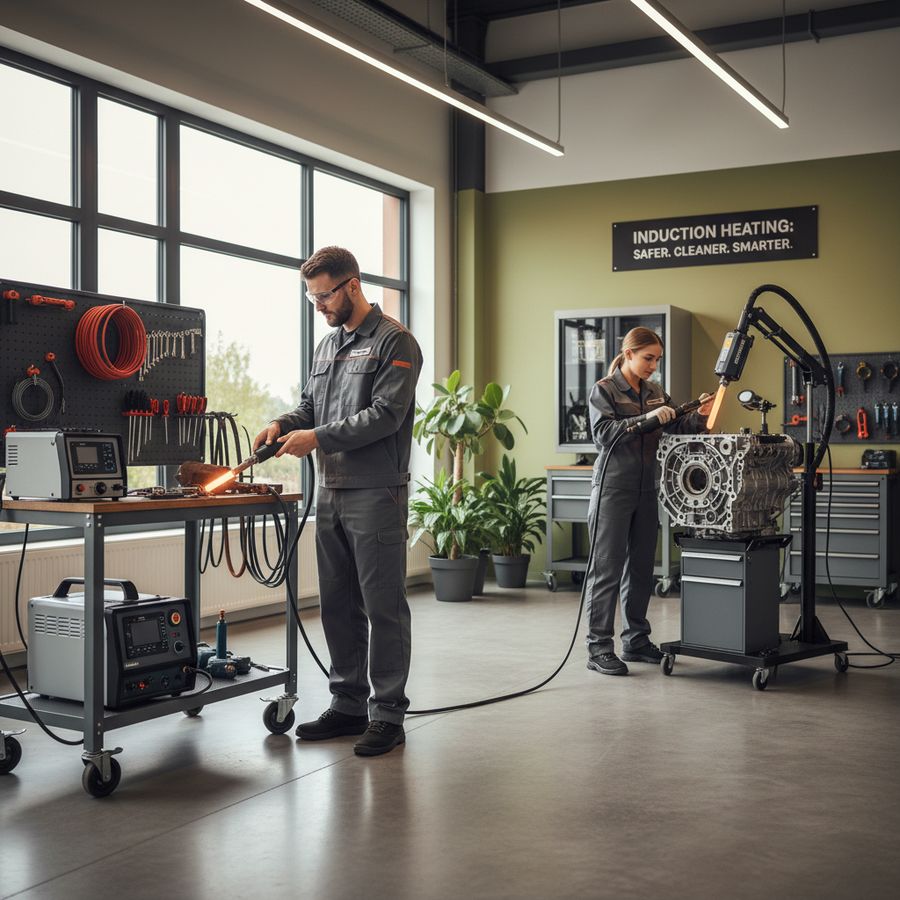
Induction heating has emerged as a revolutionary technology in repair shops, providing an efficient and eco-friendly method to heat metals without the use of open flames or gas. This contactless heating technique uses electromagnetic fields to generate heat directly within the metal, enabling fast and precise temperature control. As industries increasingly focus on sustainability, induction heaters are becoming a preferred choice for workshops aiming to improve their environmental footprint and operational efficiency.
The primary applications of induction heating in repair environments include releasing seized mechanical joints, heating for alignment, and pre- or post-welding processes. Unlike traditional heating methods that rely on combustion or direct contact heat sources, induction heating offers a clean, energy-efficient alternative that significantly reduces CO2 emissions and enhances workplace safety.
Efficiency is a key advantage of induction heaters. They deliver heat exactly where it is needed, minimizing energy waste. This precision translates into quicker job completion times and less overall energy consumption. Moreover, induction heating tools are designed with durability in mind, ensuring long service life even in rough workshop conditions.
“Upgrade to a safer, cleaner, and more efficient heating solution by ditching open flames and reducing CO₂ emissions while enhancing workplace safety.”
By integrating induction heating technology, repair shops can align with green workshop solutions, improve working conditions for their staff, and contribute to broader environmental goals. This overview sets the stage for understanding how induction heating fundamentally supports CO2 reduction heating and energy efficient heating in automotive and industrial repair settings.
Environmental impact of traditional heating
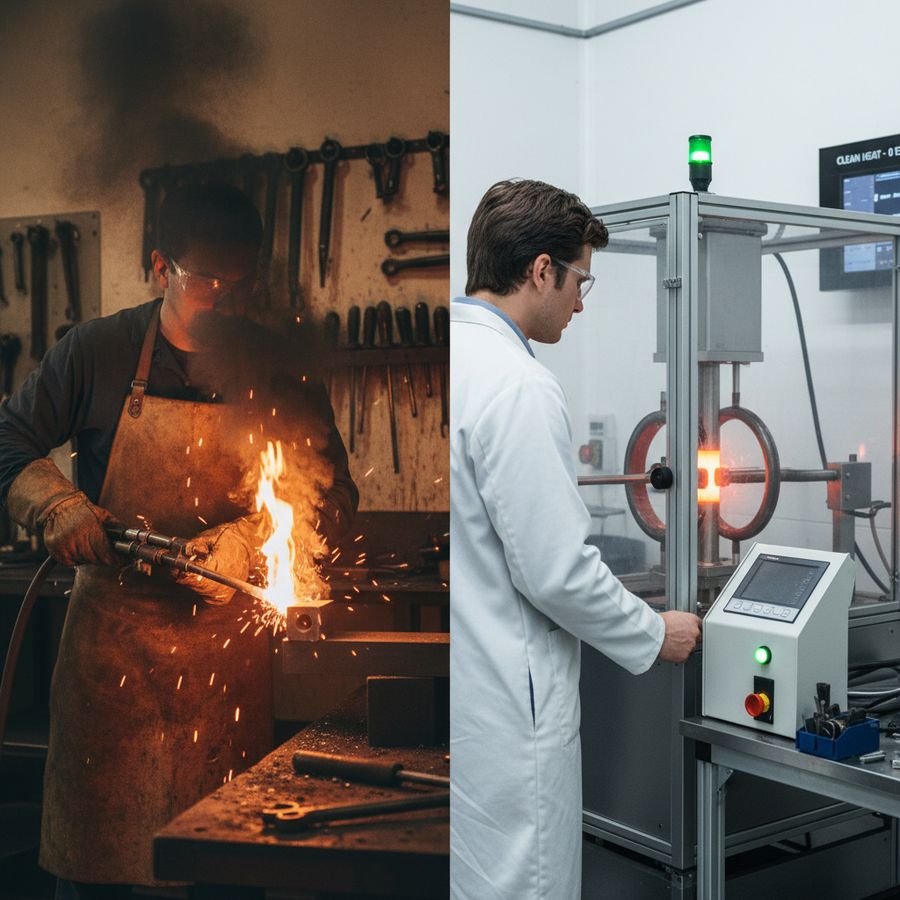
Traditional heating methods in repair shops often involve open flames, gas torches, or resistive heating elements that consume fossil fuels or electricity inefficiently. These conventional techniques are notorious for their high carbon footprints, releasing significant amounts of CO2 and other pollutants into the atmosphere. The combustion of gas or other fossil fuels inherently produces greenhouse gases, contributing to climate change and poor indoor air quality.
In addition to environmental concerns, the use of flames and gas in workshops presents safety risks and increases insurance costs due to fire hazards. Inefficient heat transfer also leads to wasted energy and longer operational times, which cumulatively increase a repair shop’s overall environmental impact. The reliance on these methods can impede a business’s ability to adopt sustainable practices and meet increasingly stringent environmental regulations.
Key environmental drawbacks of traditional heating include:
-
Higher CO2 emissions from burning fossil fuels
-
Release of harmful combustion byproducts affecting indoor air quality
-
Energy wastage due to indirect heating and heat loss
-
Increased safety hazards leading to potential workplace accidents
-
Elevated insurance premiums linked to fire and gas risks
Because traditional heating is less energy efficient, it drives up operational costs and environmental burdens simultaneously. This scenario underscores the urgent need for eco-friendly repair tools such as induction heaters that reduce harmful emissions and promote a safer, greener work environment.
Carbon neutral benefits of induction heating
One of the most compelling advantages of induction heating is its ability to support carbon neutral operations in repair shops. Since induction heaters operate electrically without combustion, they eliminate the direct emissions of CO2 associated with gas or flame-based heating methods. This makes induction heating a cornerstone technology for shops aiming to achieve CO2 reduction heating goals and embrace sustainable practices.
Furthermore, when powered by renewable electricity sources such as solar or wind, induction heating systems can become virtually zero-emission tools. This integration aligns perfectly with global efforts to decarbonize industrial processes and reduce the carbon footprint of service sectors.
“The Alesco Induction Heating process is 100% CO2 neutral — no gas needed, no flames, just clean, efficient power.”
Besides environmental benefits, induction heating contributes to a better working environment by removing toxic fumes and reducing fire risks. Employees benefit from a cleaner, safer workspace, which can improve productivity and reduce health-related absences. Moreover, the absence of open flames leads to lower insurance costs, making induction heaters a financially attractive option for green workshop solutions.
In essence, the carbon neutral benefits of induction heating represent a win-win scenario: reduced greenhouse gas emissions and enhanced workplace safety, all while maintaining high operational efficiency and reliability.
Energy efficiency explained
Induction heating’s reputation for superior energy efficient heating stems from its direct and localized heating mechanism. Unlike traditional methods that heat the entire environment or rely on conduction and convection, induction heating generates heat inside the metal workpiece itself through electromagnetic induction. This direct approach minimizes energy loss and maximizes heating speed.
The efficiency of induction heaters can exceed 90%, meaning the vast majority of electrical energy is converted directly into useful heat. This contrasts sharply with gas torches or resistive heaters, where much energy escapes into the surrounding air. The precision of induction heating also prevents overheating and damage to the surrounding materials, further reducing waste.
Additional factors contributing to induction heating efficiency include:
-
Rapid heat-up times reducing overall energy consumption
-
Compact, lightweight designs that enable portability and reduce energy use during operation
-
Minimal preheating and cooldown periods, allowing for faster task completion
-
Advanced heating tips designed to optimize energy transfer to specific metal types and shapes
These features together make induction heaters an indispensable tool for modern repair shops focused on sustainable and cost-effective operations. Beyond environmental benefits, the improved efficiency directly translates to reduced energy bills and enhanced productivity.
Long-term cost benefits
Adopting induction heating technology in repair shops offers significant long-term cost benefits that extend beyond energy savings. The initial investment in induction heaters is often offset by their durability, efficiency, and the reduced risk they bring to operations.
Unlike gas or flame-based heating systems, induction heaters have fewer consumables and maintenance needs. Their robust design ensures longevity even under harsh workshop conditions, lowering replacement and repair costs. Additionally, the elimination of gas usage and open flames reduces the risk of accidents, which can lead to costly downtime and insurance claims.
Key financial advantages include:
-
Lower energy consumption reducing monthly utility expenses
-
Reduced insurance premiums due to enhanced safety profiles
-
Less maintenance and longer equipment lifespan
-
Faster job turnaround times increasing shop throughput and revenue
-
Compliance with environmental regulations avoiding potential fines
Investing in induction heaters also aligns with green workshop solutions, which can attract eco-conscious customers and create marketing advantages. Over time, these cost benefits create a compelling business case for replacing outdated heating tools with state-of-the-art induction heating systems.
Supporting green workshop practices
Integrating induction heating into repair shops is a strategic step toward fostering comprehensive green workshop practices. By reducing carbon emissions and enhancing energy efficiency, induction heaters support sustainability initiatives that improve both environmental and operational outcomes.
Green workshops promote not only the use of eco-friendly repair tools but also emphasize safety, waste reduction, and resource conservation. Induction heating complements these goals by:
-
Eliminating hazardous open flames and toxic fumes for safer working conditions
-
Reducing energy waste through precision heating
-
Minimizing the need for chemical or paint stripping due to controlled heating zones
-
Lowering insurance costs and regulatory risks associated with fire hazards
-
Encouraging adoption of renewable energy sources for powering equipment
Workshops that adopt such green solutions position themselves as leaders in environmental stewardship. This can enhance employee morale, attract environmentally conscious clients, and future-proof business operations in an evolving regulatory landscape.
Conclusion
The shift to induction heating technology in repair shops marks a significant step forward in lowering CO2 emissions and adopting sustainable, energy-efficient heating solutions. This contactless, rapid heating process removes the reliance on gas or open flames, leading to notable enhancements in both environmental impact and safety. To learn more about this innovative technology, visit Induktion Store.
From the perspective of environmental impact, induction heating offers a carbon neutral alternative that supports green workshop solutions and reduces the overall carbon footprint of repair operations. The high efficiency of induction heaters ensures minimal energy waste, faster job execution, and lower operational costs in the long run.
By adopting induction heating, repair shops not only contribute to a healthier planet but also gain tangible benefits in safety, cost savings, and productivity. This positions induction heaters as essential eco-friendly repair tools for modern workshops aiming to thrive in a carbon-conscious world.


