
Increasing workplace safety with contactless induction heating
bis Mikael Rosvall auf Feb 10, 2026

Overview
Workplace safety induction heating technology is revolutionizing industrial environments by introducing a cleaner, safer, and more efficient method for metal heating tasks. Traditional heating methods often rely on open flames or gas-powered devices, which pose significant risks to workers and the environment. Induction heating stands out as a contactless heating solution that uses electromagnetic fields to heat metals directly, eliminating the need for flame or direct contact.
This form of heating is widely used in applications such as releasing mechanical joints, heat alignment, and pre- or post-welding processes. Its adoption in car repair shops and heavy maintenance sectors highlights its growing importance in enhancing industrial heating safety. By switching to induction heating, workplaces can reduce the hazards associated with open flames, improve their carbon footprint, and maintain operational efficiency.
Contactless induction heating offers numerous benefits beyond safety. It accelerates heating times and increases precision, which translates into less downtime and faster job completion. Moreover, the technology is inherently environmentally friendly, being 100% carbon neutral due to its gas-free operation. This aligns with modern sustainability goals and regulatory compliance for many industries.
“Induction heating contributes to a better working environment for your staff — no gas, no flames, just safe and efficient heating.”
Overall, embracing induction heating is a strategic move for businesses aiming to optimize safety standards while also streamlining maintenance and repair operations. This method ensures that workplaces are not only compliant with safety regulations but also forward-thinking in adopting advanced, safe heating methods that protect both employees and assets.
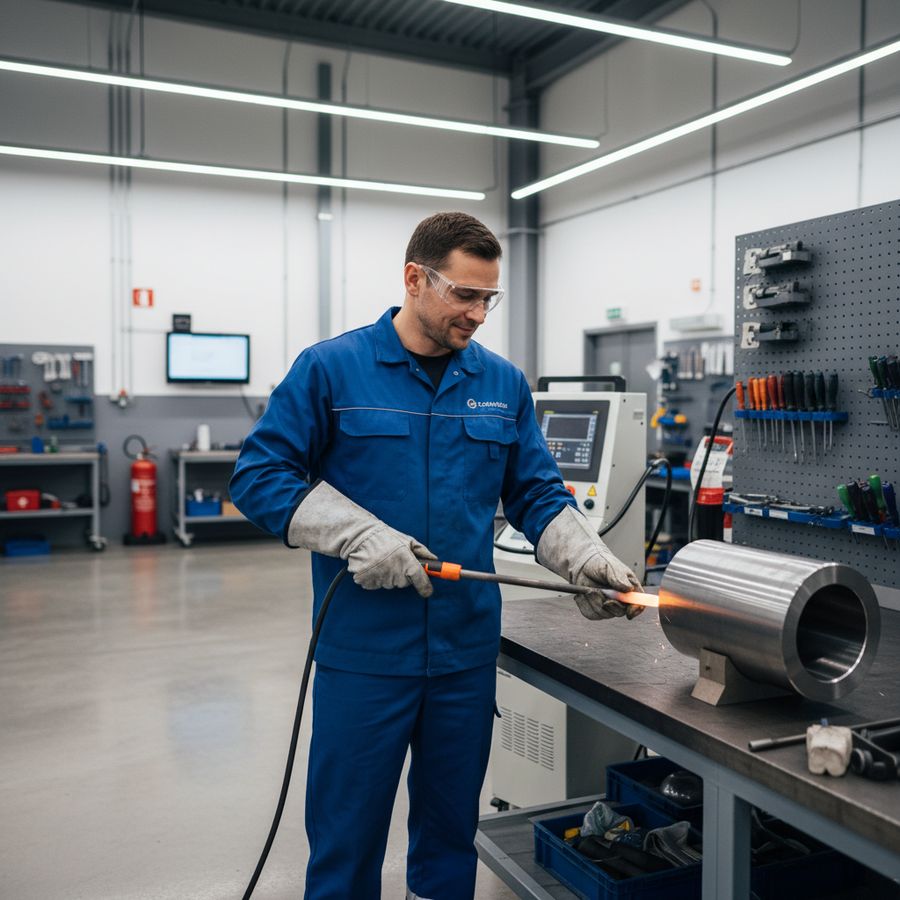
Risks of Open Flame Heating
Traditional heating methods that use open flames carry inherent risks that can jeopardize workplace safety. The presence of fire and combustible gases introduces hazards such as burns, explosions, and accidental fires, which threaten both workers and property. These risks are especially pronounced in environments cluttered with flammable materials or confined spaces where control over flames is limited.
Open flame heating also produces emissions like carbon monoxide and other harmful gases, contributing to poor air quality and potential long-term health issues for employees. Additionally, the unpredictable nature of flame heat can cause uneven heating, increasing the chance of damage to sensitive parts or materials.
From a safety perspective, workers operating open flame tools must adhere to strict protocols and wear protective gear, increasing operational complexity and the potential for human error. Moreover, the requirement for gas storage and handling raises logistical challenges and further safety concerns.
“Open flame heating significantly increases the risk of workplace accidents and complicates compliance with industrial safety standards.”
Given these factors, many industries are actively seeking alternatives that mitigate these dangers. The shift towards contactless heating benefits such as induction heating is driven by the need to create hazard-free environments, reduce toxic emissions, and eliminate flame-related injuries.
Contactless Heating Benefits
Contactless heating benefits are transforming how industries approach metal heating. Induction heating, as a non-flame method, provides precise, rapid, and efficient heating by generating eddy currents directly in the metal object. This not only increases safety but also improves process control and repeatability.
One of the most significant advantages is the elimination of open flames, which drastically reduces the risk of burns and fires. Since the heat is generated inside the metal, there is less heat loss to the surrounding environment, making the process more energy-efficient and cost-effective. The absence of direct contact also means that delicate components are less likely to suffer damage, preserving the integrity of equipment and parts.
-
Enhanced safety: No open flame or gas reduces fire hazards.
-
Energy efficiency: Heat is generated only where needed, minimizing waste.
-
Cleaner operation: Zero emissions during heating, improving indoor air quality.
-
Faster heating: Rapid temperature increases speed up maintenance and production tasks.
-
Versatility: Works on various metals without surface preparation.
Furthermore, induction heating units are often portable and lightweight, allowing workers to handle them with ease and use them in tight or difficult-to-access spaces. This improves overall ergonomics and reduces worker fatigue. The technology also supports precise temperature control, which is critical for sensitive applications requiring exact heat levels.
“Switching to contactless induction heating means safer workplaces, quicker job completion, and lower operational costs.”
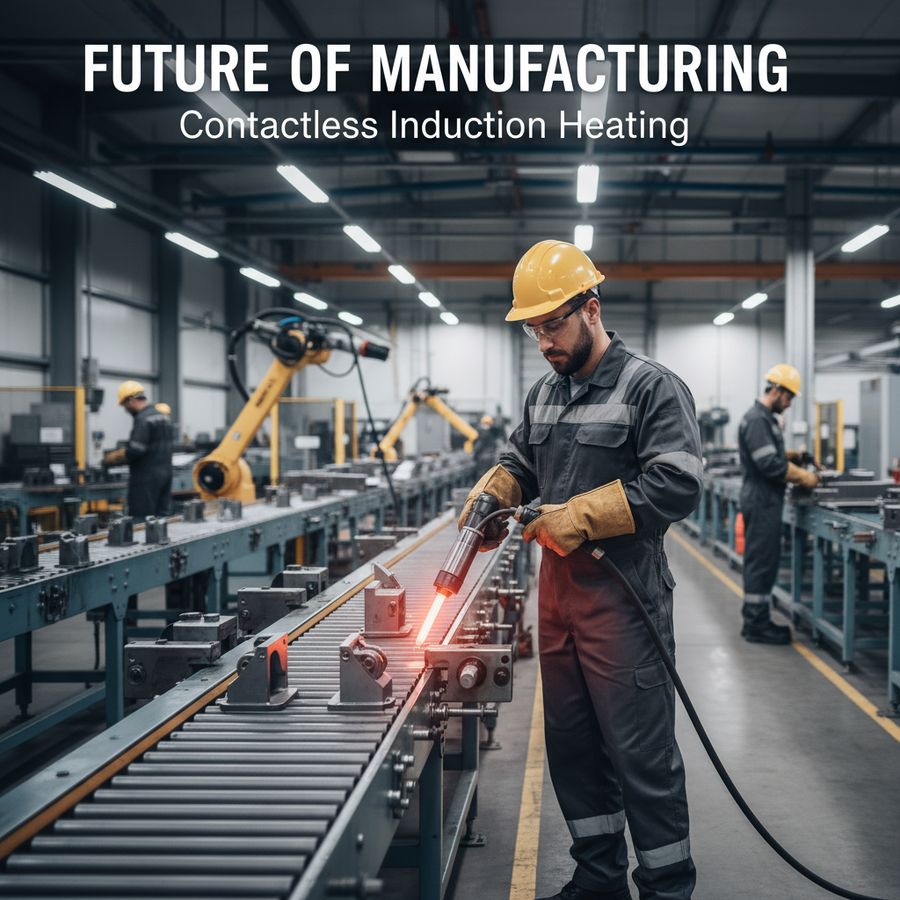
Induction Heating Safety Features
Induction heaters incorporate several advanced safety features designed to protect both operators and equipment. These features ensure that industrial heating safety standards are not only met but exceeded, facilitating worry-free operation even in demanding environments.
Key safety elements include built-in temperature monitoring, automatic shut-off mechanisms, and integrated cooling systems. For example, many induction heaters come equipped with thermal sensors that continuously track heat levels to prevent overheating. If temperatures exceed safe thresholds, the device automatically powers down to avoid damage or injury.
Additionally, modern induction heating units are designed to be lightweight and ergonomic, reducing the physical strain on users. The contactless nature of heating means there is no direct flame or hot surface exposed to the operator, significantly lowering the risk of burns. Some units also feature insulated handles and protective housings for added safety.
-
Automatic temperature regulation to prevent overheating.
-
Integrated cooling systems to maintain safe operating temperatures.
-
Ergonomic design for comfortable and safe handling.
-
Non-flammable operation, eliminating fire hazards.
-
Fail-safe shutoff features in case of malfunction.
These safety innovations make induction heating a superior choice for industries committed to protecting their workforce and assets. By reducing the likelihood of accidents and equipment failure, businesses can maintain continuous operations with confidence.
“The safety features of modern induction heaters make them an indispensable tool for industrial environments prioritizing safe heating methods.”
Training Staff for Safe Use
Proper training is essential to maximize the benefits of induction heating while ensuring workplace safety. Even though induction heaters are safer than traditional open flame methods, operators must understand how to use the equipment correctly to prevent accidents and achieve optimal results.
Effective training programs should cover the basics of induction heating principles, equipment operation, and safety protocols. Staff should be educated on identifying potential hazards, the importance of personal protective equipment, and the procedures for emergency shutdowns. Hands-on demonstrations and supervised practice sessions are invaluable for building confidence and competence.
Moreover, training should emphasize maintenance routines to keep the equipment in peak condition. Regular inspections, cleaning, and timely repairs contribute to long equipment life and safe operation. Providing clear documentation and easy access to support resources further empowers staff to use the technology responsibly.
-
Understanding induction heating technology and principles.
-
Safe handling and operation of induction heaters.
-
Recognizing and mitigating risks associated with heating tasks.
-
Emergency procedures and equipment shutdown protocols.
-
Routine maintenance and equipment care.
Investing in comprehensive training not only protects employees but also enhances productivity and reduces downtime caused by mishandling or accidents.
“Well-trained staff are key to unlocking the full potential of safe heating methods and maintaining a secure workplace.”
Insurance Cost Savings
One of the often overlooked advantages of adopting contactless induction heating is the potential for significant insurance savings heating costs. Insurance providers recognize that reducing fire and injury risks leads to lower claim likelihood, which can translate into reduced premiums for businesses.
By eliminating open flames and gas usage, induction heating drastically lowers the chance of workplace fires and explosions. This risk mitigation is highly valued by insurers, who may offer discounts or more favorable terms to companies demonstrating proactive safety measures. Furthermore, fewer accidents mean fewer disruptions and liabilities, contributing to overall cost savings.
Beyond direct insurance premiums, companies can also benefit from reduced workers’ compensation claims and legal expenses related to workplace injuries. The reliable and controlled nature of induction heating means fewer incidents, fostering a safer environment that supports insurance negotiations.
-
Lower risk of fire and explosion reduces insurance premiums.
-
Fewer workplace injuries decrease workers’ compensation claims.
-
Improved safety records enhance company reputation.
-
Reduced downtime from accidents lowers operational costs.
Integrating induction heating into industrial processes is a strategic move that not only improves safety but also strengthens financial performance through insurance cost savings.
“No gas + no flames = lower risk and reduced insurance costs for businesses adopting induction heating solutions.”
Conclusion
Increasing workplace safety with contactless induction heating represents a forward-thinking approach that aligns with modern industry demands for efficiency, sustainability, and risk reduction. This technology offers a compelling alternative to hazardous open flame methods, delivering precise, rapid, and clean heating without exposing workers to unnecessary danger.
Induction heating offers numerous advantages, from minimizing fire hazards and emissions to decreasing insurance premiums. These benefits go beyond just safety; they also include significant operational and financial gains. Companies that invest in top-notch induction heating equipment and thorough staff training set themselves apart as leaders in industrial heating safety and innovation. To learn more about enhancing your operations, visit Induktion Store.
By embracing contactless induction heating, businesses can protect their workforce, improve productivity, and contribute to a greener, safer future.
“Adopting safe heating methods like induction heating not only safeguards employees but also drives cost savings and operational excellence.”


