
Innovations in induction heating tools for automotive industry
bis Mikael Rosvall auf Feb 10, 2026

Overview
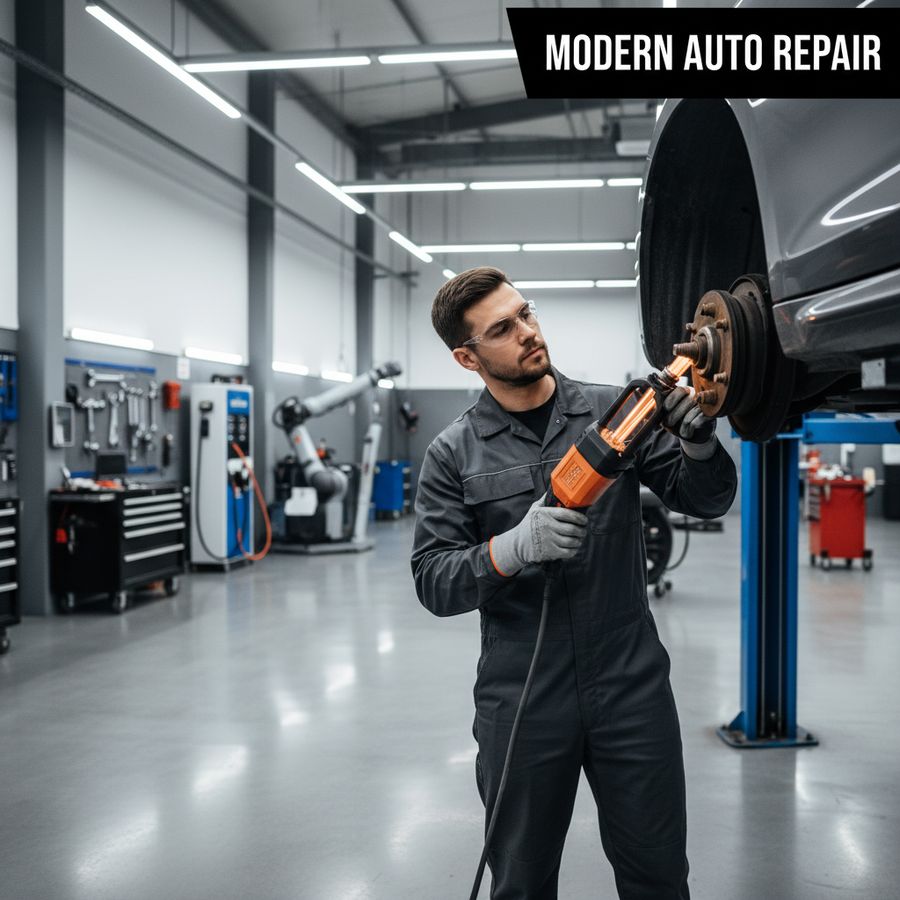
Induction heating innovations have revolutionized the automotive industry by offering a safer, cleaner, and more efficient alternative to traditional heating methods. These advanced automotive tools use electromagnetic fields to heat metal components without direct contact, making the process faster and more precise. This technology is particularly valuable in car repair and maintenance tasks, where heating bolts, axles, and other mechanical joints is often necessary to loosen or realign parts.
The adoption of induction heating tools in automotive repair has brought significant advantages over open-flame or resistance heating methods. By eliminating the use of gas or flames, these tools not only reduce the risk of fire but also lower CO₂ emissions, making workshops more environmentally friendly. Additionally, induction heating delivers heat quickly and uniformly, which protects sensitive components and reduces the possibility of damage.
Heating efficiency is one of the key benefits of induction technology. It allows technicians to target specific areas with precision, reducing heat loss and speeding up the repair process. This precision also means less disassembly and less risk of harming surrounding parts such as paint or plastic components. As a result, automotive professionals save time, reduce costs, and improve repair quality.
"Induction heating is transforming automotive repairs by combining safety, speed, and environmental responsibility, making it an essential innovation for modern workshops."
Overall, induction heating tools represent a cutting-edge solution that addresses many challenges faced by automotive technicians. Their growing popularity is a testament to their effectiveness in improving operational workflows while enhancing safety and sustainability in the industry.
Recent technological advances
Recent advancements in induction heating innovations have significantly enhanced the capabilities of automotive tools. Manufacturers have focused on integrating smarter electronics, improving power output, and refining ergonomic designs to meet the demanding needs of automotive repair professionals.
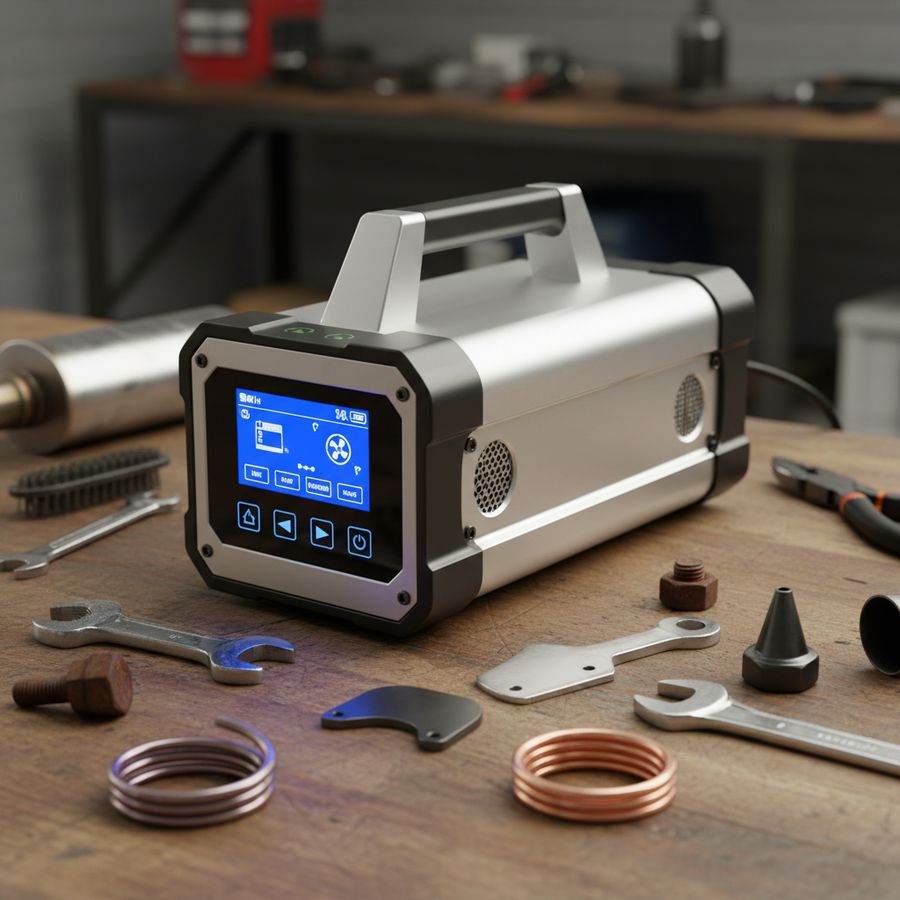
One breakthrough is the development of portable induction heaters that combine high power with lightweight construction. For instance, devices weighing less than 20 kg can now deliver outputs of 12 kW or more, enabling technicians to maneuver equipment easily around the workshop or on-site. Additionally, integrated cooling systems, such as advanced liquid coolers, allow extended operation without overheating, enhancing reliability and user comfort.
Advanced control systems have improved the precision of heating cycles, enabling users to set temperature parameters and heating durations with accuracy. This means less guesswork and more consistent results, which is crucial when working with delicate components or tight tolerances. Some models also incorporate digital displays and diagnostic features that alert users to maintenance needs or errors, minimizing downtime.
Materials technology has also progressed, with heating tips and coils made from durable alloys that withstand harsh environments and frequent usage. Modular designs allow easy replacement of parts, extending tool lifespan and reducing maintenance costs.
-
High power output in compact, portable units
-
Integrated cooling systems for continuous use
-
Precise digital controls and feedback mechanisms
-
Durable materials and modular components
"The latest induction heating tools combine power, precision, and portability, making them indispensable for modern automotive repairs."
These technological advances not only improve heating efficiency but also contribute to safer and more productive work environments, reinforcing the value of induction heating tools in the automotive sector.
Enhanced safety features
The evolution of induction heating tools has been strongly driven by the need to improve safety features in automotive repair settings. Traditional heating methods, such as open flames or gas torches, pose significant risks including fire hazards, burns, and toxic fumes. Induction heating tools address these concerns through multiple innovative safety enhancements.
Firstly, induction heating is a contactless process that generates heat directly inside the metal part via electromagnetic induction, eliminating open flames and reducing the risk of accidental fires. This is particularly critical in automotive workshops where flammable materials and fuels are present.
Secondly, modern induction heaters include built-in thermal sensors and automatic shutoff mechanisms to prevent overheating. These features protect both the operator and the vehicle components, ensuring that parts are heated only to the required temperature without causing damage or dangerous conditions.
Ergonomic designs with insulated handles and improved cable management reduce the risk of electrical shocks and operator fatigue. Many units also feature robust casings that protect sensitive electronics from dust, moisture, and mechanical impacts common in harsh workshop environments.
-
No open flames or gas, minimizing fire hazards
-
Automatic temperature controls to avoid overheating
-
Insulated, ergonomic handles for user protection
-
Durable, weather-resistant housing for reliable operation
"Safety innovations in induction heating tools have transformed automotive repair into a cleaner, less hazardous process."
By integrating these safety features, induction heating tools not only protect technicians but also contribute to lower insurance costs and compliance with workplace safety regulations, making them a smart investment for automotive service providers.
Increased power and efficiency
One of the most significant benefits of modern induction heating tools is their increased power and heating efficiency. These improvements enable automotive professionals to perform repairs faster and with greater precision than ever before.
Induction heaters now deliver higher wattage outputs, often reaching 12 kW or more in portable units, which heats metal components rapidly and uniformly. This high power reduces the time needed to loosen seized bolts, axles, or other mechanical joints, directly contributing to repair time reduction.
Another factor enhancing efficiency is the focused heating capability of induction tools. Unlike traditional methods that heat surrounding areas and waste energy, induction heating targets only the metal part requiring heat. This selective heating minimizes energy consumption and prevents collateral damage to nearby components such as paint or plastic parts.
Furthermore, the improved coil designs and heating tips optimize electromagnetic field distribution, ensuring deep and even heat penetration. This means less time waiting for parts to reach the appropriate temperature and more consistent results during repairs.
-
Higher wattage outputs for rapid heating
-
Targeted heating reduces energy waste
-
Advanced coil and tip designs for uniform heat distribution
-
Energy-efficient operation lowers workshop costs
"Enhanced power and efficiency in induction heating tools translate directly into faster, more cost-effective automotive repairs."
By embracing these advancements, automotive technicians can increase throughput, reduce downtime, and improve overall workshop productivity, making induction heating a cornerstone of modern automotive toolkits.
User-friendly designs
In addition to power and safety, recent induction heating innovations have prioritized user-friendly designs to enhance technician comfort and operational ease. Automotive repair professionals often work in challenging environments where tool ergonomics and simplicity can make a significant difference.
Modern induction heaters feature compact, lightweight builds that improve portability and reduce operator fatigue. For example, some portable units weigh under 20 kg, which allows technicians to carry and position the tool effortlessly during repairs inside tight engine bays or undercarriages.
Intuitive control panels with clear digital displays enable users to quickly adjust heating parameters such as power levels and time settings without complicated procedures. This ease of use reduces training requirements and helps ensure consistent heating results.
Many designs include integrated cooling systems and noise reduction technologies, making extended use more comfortable and less disruptive. Additionally, modular heating tips are easily interchangeable, allowing the tool to adapt to a wide range of automotive applications.
-
Lightweight and portable form factors
-
Clear digital controls for easy operation
-
Integrated cooling for continuous use
-
Modular heating tips for versatile applications
"User-friendly induction heating tools empower automotive technicians to focus on quality repairs without tool-related distractions."
By combining ergonomic design with advanced functionality, these tools improve workflow efficiency and reduce physical strain, ultimately supporting better repair outcomes and technician well-being.
Impact on repair times
The integration of advanced induction heating tools in automotive repair shops has had a profound impact on repair times. By substantially increasing heating speed and precision, these tools enable technicians to complete tasks that once required extended manual effort in a fraction of the time.
Traditional heating methods often involve slow, uneven heat application and necessitate careful monitoring to avoid damage. In contrast, induction heating tools rapidly deliver focused heat exactly where needed, accelerating the loosening of rusted or seized components such as bolts and axles.
This rapid heating capability allows repair professionals to reduce disassembly time and minimize the need for replacement parts caused by overheating or damage. As a result, overall turnaround times for repairs decrease, increasing workshop throughput and customer satisfaction.
Moreover, the consistent and controllable heat application reduces the risk of errors, leading to fewer repeat repairs and longer-lasting fixes. This efficiency gain is particularly valuable in high-volume or time-sensitive automotive service environments.
"Induction heating tools are a game-changer in automotive repair, cutting down repair times while enhancing precision and safety."
By leveraging the speed and reliability of induction heating, automotive shops can optimize labor costs, improve workflow, and deliver faster, higher-quality service to clients.
Conclusion
In summary, the latest induction heating innovations have profoundly transformed the landscape of automotive tools. These advancements have introduced safer, more efficient, and user-friendly heating solutions that address many traditional challenges in automotive repair.
The enhanced safety features eliminate fire risks and reduce operator hazards, while increased power and improved heating efficiency dramatically cut down repair times. User-centric designs ensure these tools are practical and comfortable to use in demanding workshop conditions.
As the automotive industry increasingly adopts greener and more sustainable technologies, induction heating emerges as a cleaner alternative to traditional gas and flame-based methods. With its environmental benefits and operational advantages, induction heating tools have become essential for automotive professionals aiming to enhance productivity and safety. Explore more about these innovative solutions here.Investing in advanced induction heating tools is not just about keeping up with technology; it is about future-proofing automotive repair operations to deliver safer, faster, and more precise service.
"The future of automotive repair is electric — induction heating tools represent the cutting edge of this transformation."


